
Specialist power solutions provider Genus explains why capability, not headcount, will assist in the energy transition.
Australia’s energy transition is often framed as a numbers game of how many lineworkers, electricians or technicians are required.
But in transmission and distribution, Genus believes the real constraint isn’t headcount. It’s capability.
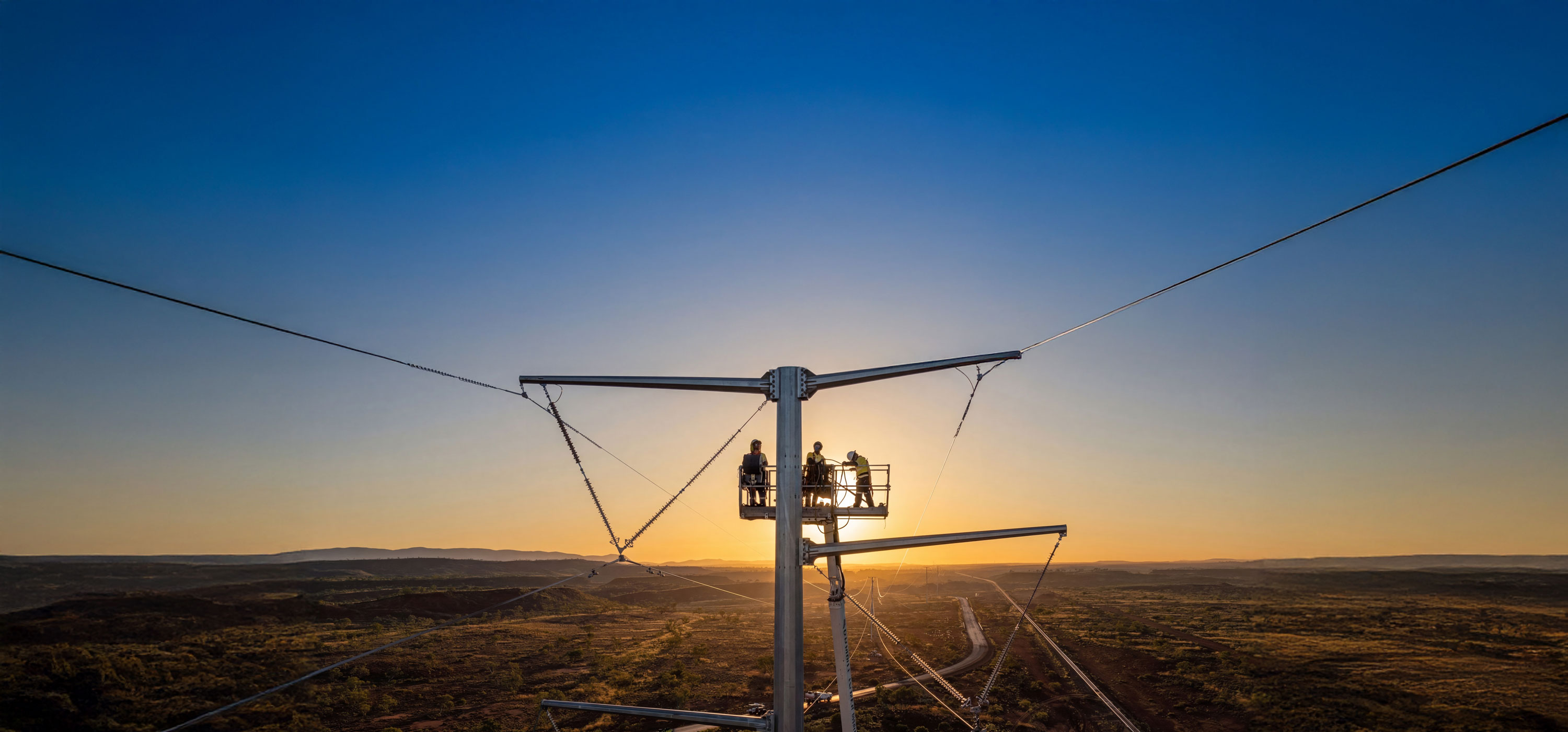
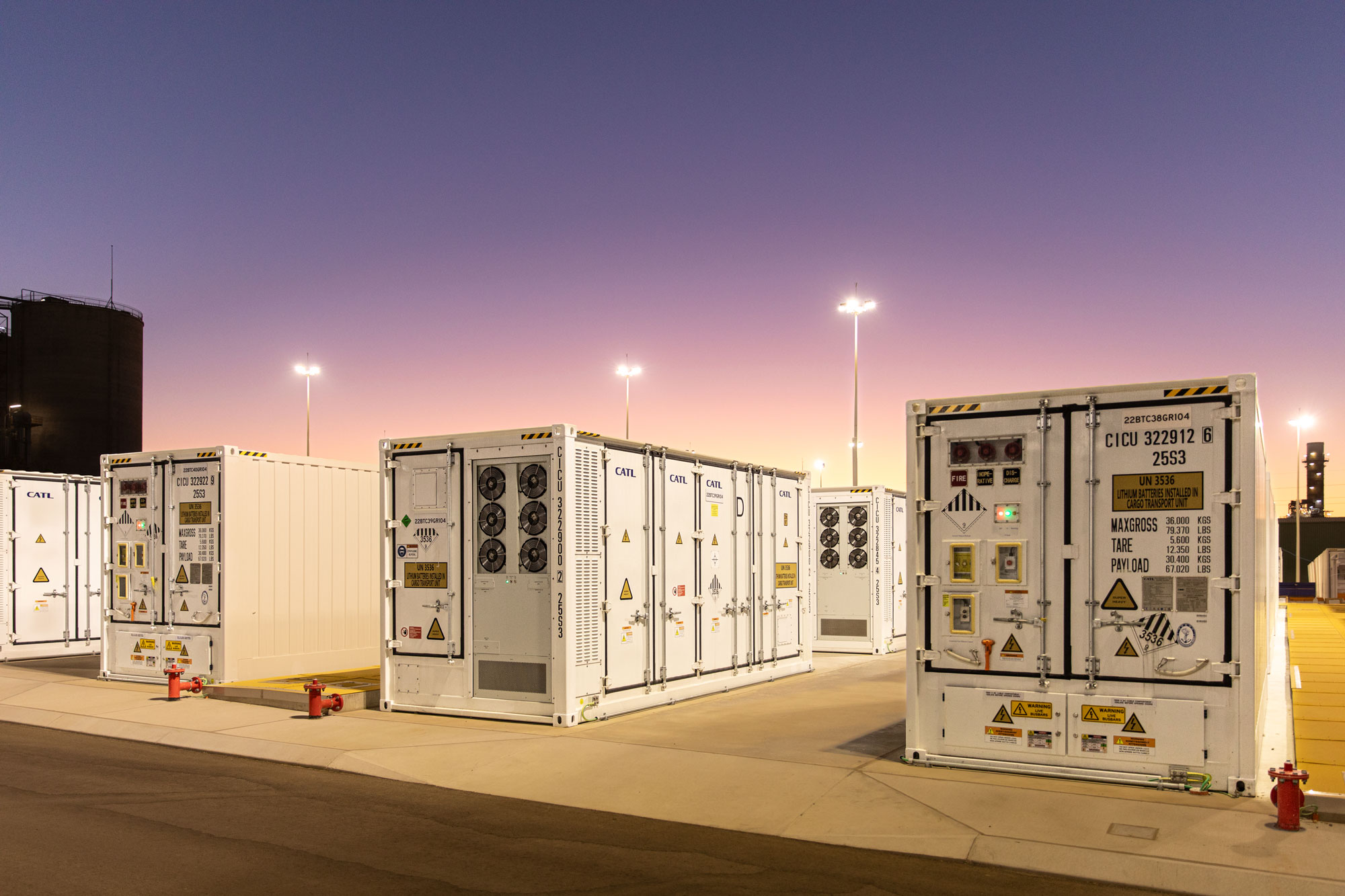
Across the utility sector, projects are scaling at a pace few predicted a decade ago. Renewable energy zones are expanding, transmission corridors are lengthening, and distribution networks are being reshaped to handle rooftop solar, batteries and electrification.
But Genus questions whether the industry is building the depth of experience needed to deliver it safely and reliably. Working across networks demands judgement, experience, and a deeply embedded safety culture that can’t be downloaded from a textbook or acquired in a few months on site.
Genus’ Safety, Health, Environment, and Quality (SHEQ) Manager for Network Services, Mike Daly, said the industry has relied on competing for the same small pool of experienced workers for too long.
“People move from contractor to contractor, but we’re not actually fixing the problem. We’re just shifting it around,” he said.
The result, he said, is a cycle of wage inflation, inconsistent capability and pressure on supervisors to stretch teams further than they should.
“You can’t just rush someone through and hope they pick it up,” Daly said. “A lineworker might complete their four-year apprenticeship, but real confidence and judgement take years beyond that. This isn’t a quick fix.”
According to Genus, if workforce growth outpaces capability development, the consequences are real: safety risk increases, productivity dips, and project timelines start to slip. In a sector underpinning Australia’s energy transition, that’s a risk the industry can’t afford.
To Genus, the solution lies in a shift in mindset: away from competing for scarce talent and toward taking responsibility for creating it. To Genus that means long-term investment in apprenticeships, structured mentorship, and environments where skills can be developed safely, consistently and at scale.
Genus is investing in training facilities that replicate real-world network conditions without the pressures of a live site.
“This will give us control. We can train properly. We can slow things down. We can explain the why, not just the how. And we can make sure people are ready before they ever step onto a live network,” Daly said.
“When you train people internally, they align with your values. They understand what the company stands for. They don’t just learn the technical skills; they learn how we do the job.”
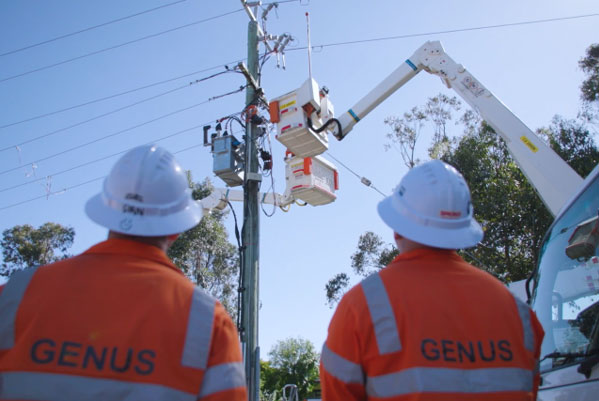
Daly said the lack of visibility about what a linesman does is part of the challenge.
“It’s a fantastic career. You work outdoors. You travel. You work on major infrastructure. But it’s not something young people always see as an option,” he said.
By investing in apprenticeships and structured development pathways, Genus believes companies can demonstrate that a trade in utilities is not just a job, but a long-term career with progression, responsibility and purpose.
At Genus, apprentices are exposed to a variety of projects: transmission, distribution, renewables integration, broadening their experience beyond a single site or task. Senior crew members actively mentor younger workers, transferring not just technical skill but also judgement and a safety mindset. Daly said that transfer of experience is critical.
“When you keep experienced people in the system and give them the space to mentor, that’s when you really strengthen the industry,” he said.
Daly believes the energy transition will still require project work on the ground and this requires long-term capability responsibility.
He said purpose-built training environments, structured apprenticeships and knowledge transfer are strategic investments as well as the foundation for delivering the energy transition safely, reliably and at scale.
“This isn’t about filling seats. It’s about building careers. If we get that right, the projects will follow,” said Daly.