
Mining site efficiency is often framed as a technological challenge calling for new software, smarter automation, better data. These tools matter, but they’re not where the biggest gains are made.
The real lever for optimisation sits much earlier: at the point of design.
Mining across Australia is entering a new phase of complexity. Electrification, renewable integration and rising energy demand are reshaping how sites are powered and operated. For Genus project director Beau Stoner, the shift is clear.
“We’re moving from a simple power system to a very complex one,” he said.
In this environment, efficiency is no longer something you improve after the fact. It’s determined upfront.
The biggest drivers of performance – cost, speed and reliability – are defined well before a single asset is commissioned. Decisions made during design, planning and system integration shape how efficiently a mine will operate for decades.
This is where early contractor involvement (ECI) becomes critical, and how Genus has built its delivery model.
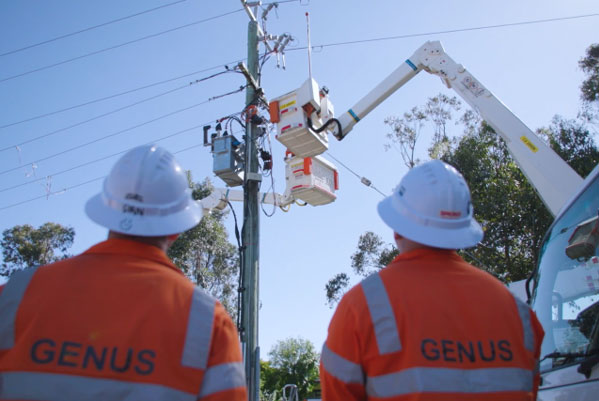
Early engagement is the foundation for Genus. By embedding engineering, constructability and delivery-thinking from the outset, Genus works alongside clients to identify risks early and resolve them before they reach site.
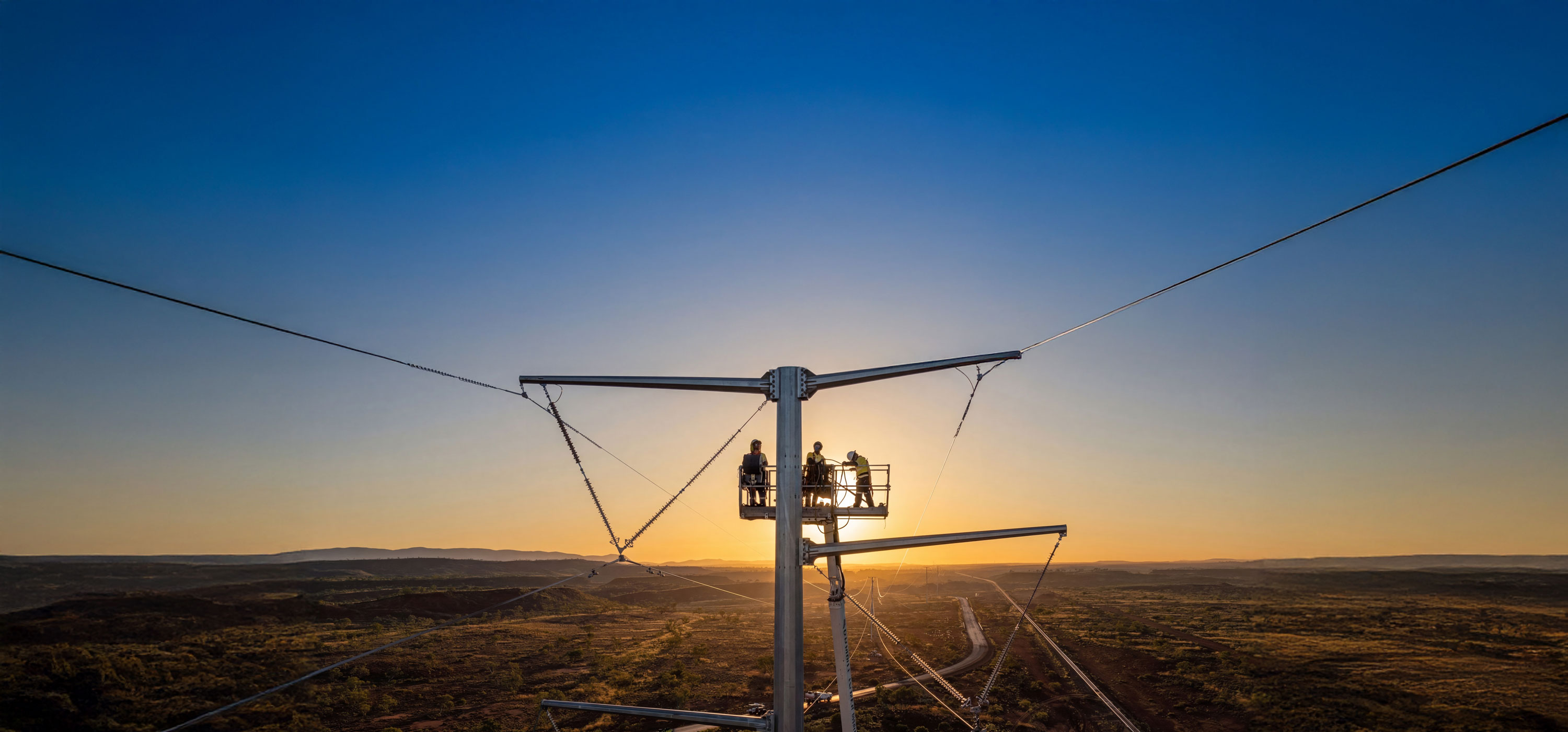
“De-risking starts long before a single pole is erected or a battery commissioned,” Genus general manager commercial Eoin Gorman said. “It begins at the planning table.”
The result is practical efficiency: less rework, fewer delays and infrastructure that performs in the field, not just on paper.
Another major barrier to performance is fragmentation.
Mining projects are often delivered in silos, with multiple contractors, disconnected scopes and misaligned systems. Each component may be optimised individually, but rarely as a whole. The result is interface risk, delays and inefficiencies that persist long after construction.
In contrast, integrated, end-to-end delivery, like the model Genus delivers, creates alignment.
With capability spanning design, engineering, construction, commissioning and maintenance, Genus connects every stage of the project lifecycle. This reduces interface risk and ensures infrastructure performs as a unified system, rather than a collection of parts.
This becomes even more important as power systems grow more complex.
“Connecting a mine is the easy part,” Stoner said. “Integrating that load into the network, that’s where the complexity lies.”
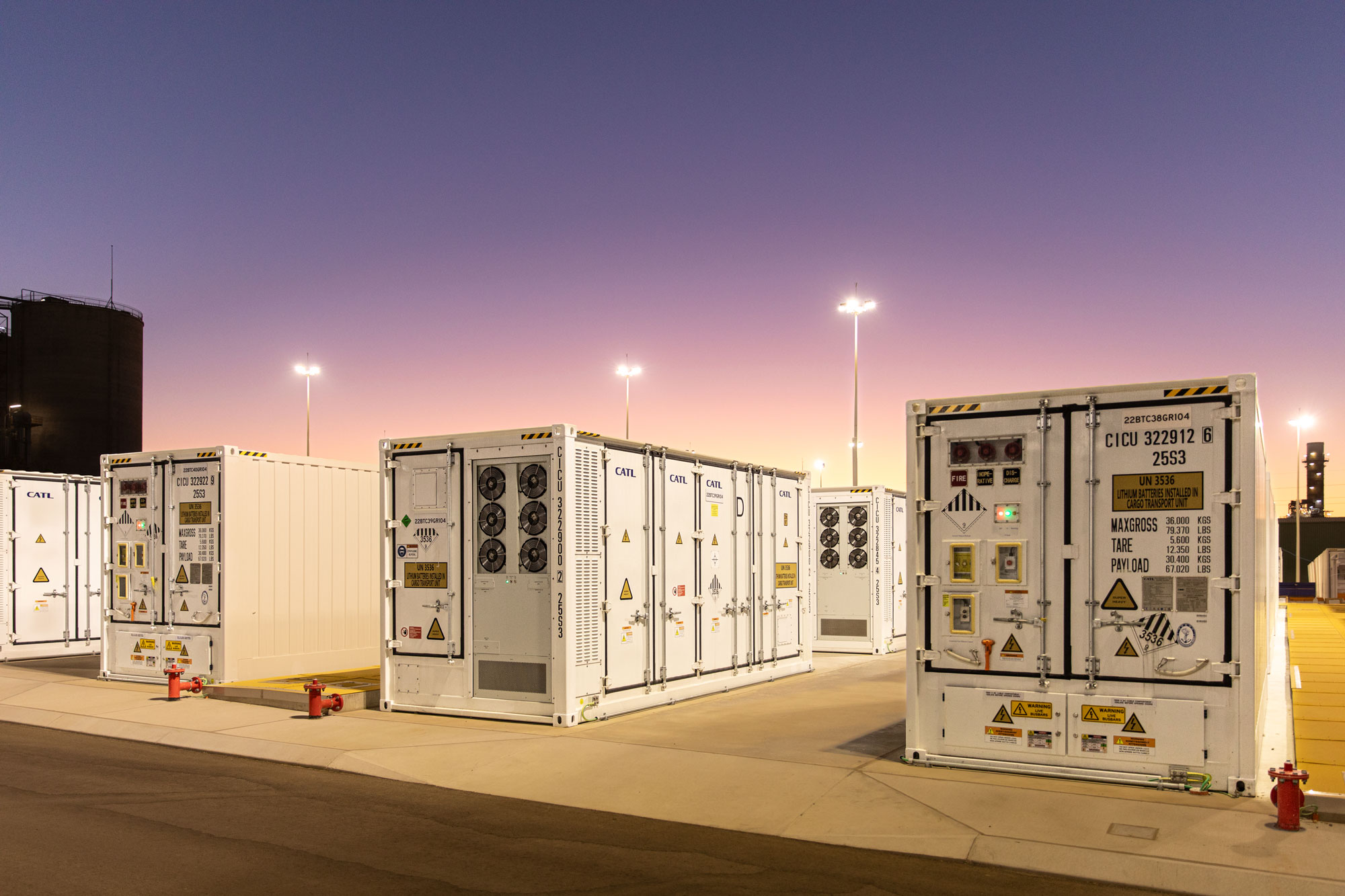
That challenge spans generation, storage, transmission and distribution. Treating them separately creates friction; treating them as one system unlocks efficiency.
This systems-led approach is central to how Genus delivers modern energy infrastructure, particularly as mining operations transition towards hybrid power environments. It also reinforces the importance of collaboration.
“You can’t contract your way into trust,” Gorman said.
“True efficiency comes from alignment, teams working together from the outset, not managing risk through rigid handovers and siloed responsibilities.
A shift in mindset
What’s emerging is a fundamental shift in how efficiency is understood.
It’s no longer just about running assets better; it’s about designing them better. It’s no longer just about technology; it’s about infrastructure. And it’s no longer about individual components; it’s about systems thinking.
For Genus, this means partnering with clients from the outset to translate operational requirements into practical, buildable solutions, ensuring the right infrastructure is in place to meet current and future demands.
It also means embracing a more agile and collaborative approach to delivery, one that reflects the pace and complexity of modern mining. Genus prioritises long-term partnerships over transactional delivery, aligning with clients to achieve shared outcomes, not just complete scopes.
In this environment, the miners who lead won’t be the ones who are the last to optimise. They’ll be the ones who design right from the start and partner with teams who know how to deliver it.