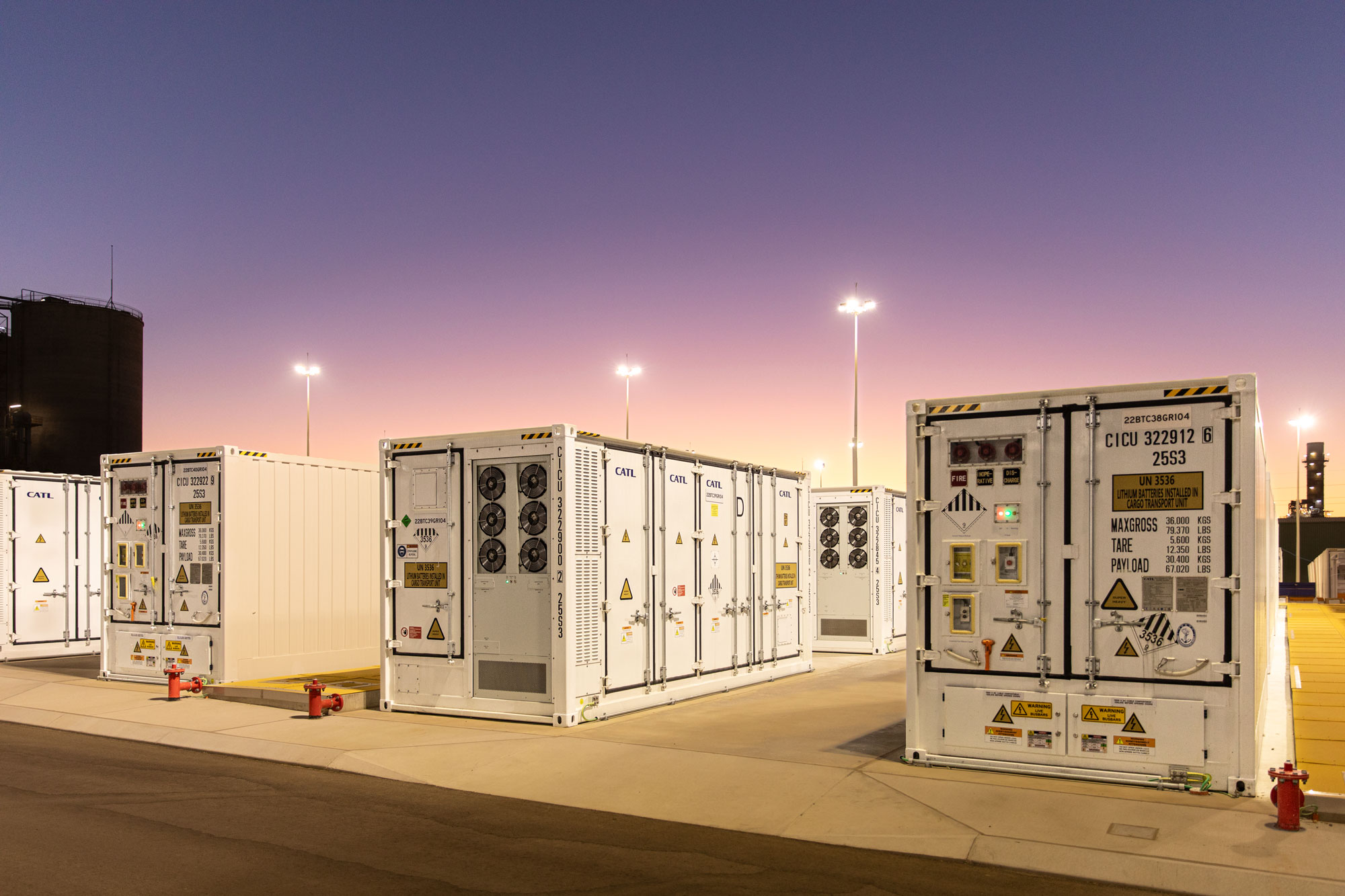


Genus and Alinta Energy have proven to be a dynamic duo in delivering the 250MW Reeves Plains BESS project in South Australia.
At Reeves Plains in South Australia, a major battery energy storage system project is already highlighting an important lesson for the energy transition: the biggest gains in infrastructure delivery are made long before construction begins.
Developed by Alinta Energy, the project is a 250-megawatt battery with four hours of storage, capable of powering the equivalent of around 300,000 households. It is a nationally significant piece of infrastructure, designed to strengthen the state’s grid and support the transition to a more renewable energy system.
To bring the project to life, Alinta engaged Genus as its delivery partner, initially through an early contractor involvement (ECI) phase, and subsequently as the engineering, procurement and construction (EPC) contractor responsible for delivering the facility.
This role has placed Genus at the centre of the project, spanning early design development, constructability input and full delivery through to commissioning. Rather than simply executing a predefined scope, Genus has been embedded in the project from the outset, contributing to how it has been designed and is now being delivered.
For Alinta, that early involvement was a deliberate choice.
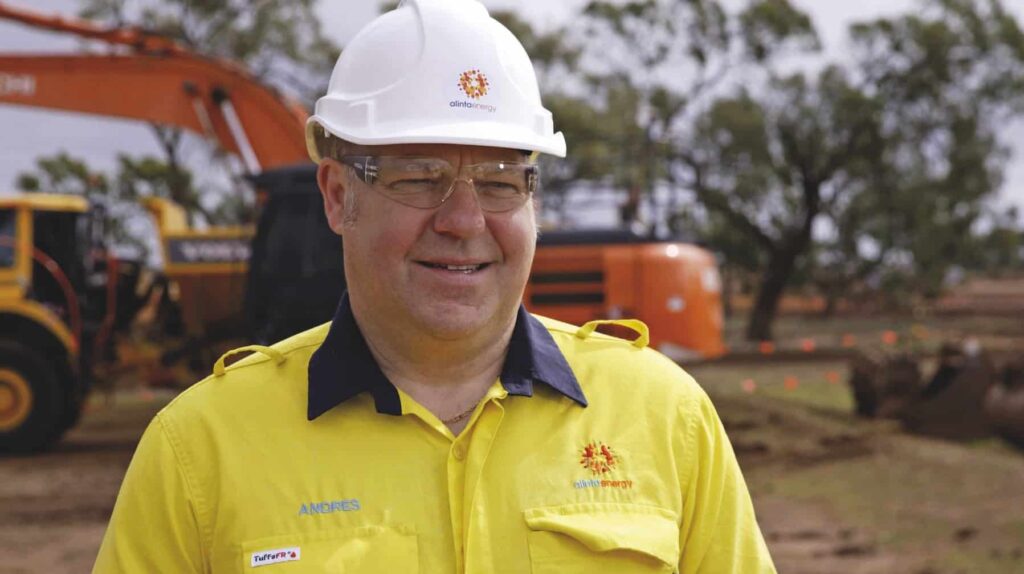
“Genus had all the necessary and requisite experience, having built a number of battery projects previously, which we believe was extremely important for Reeves Plains and made things move a lot smoother,” Alinta Energy chief development officer Andres Maasing said.
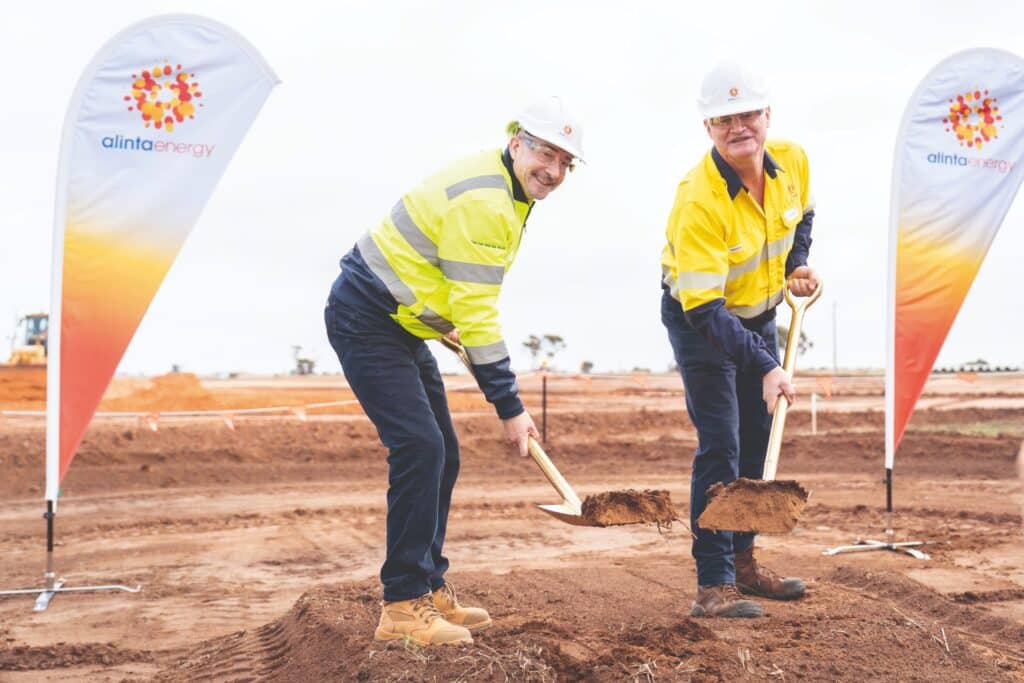
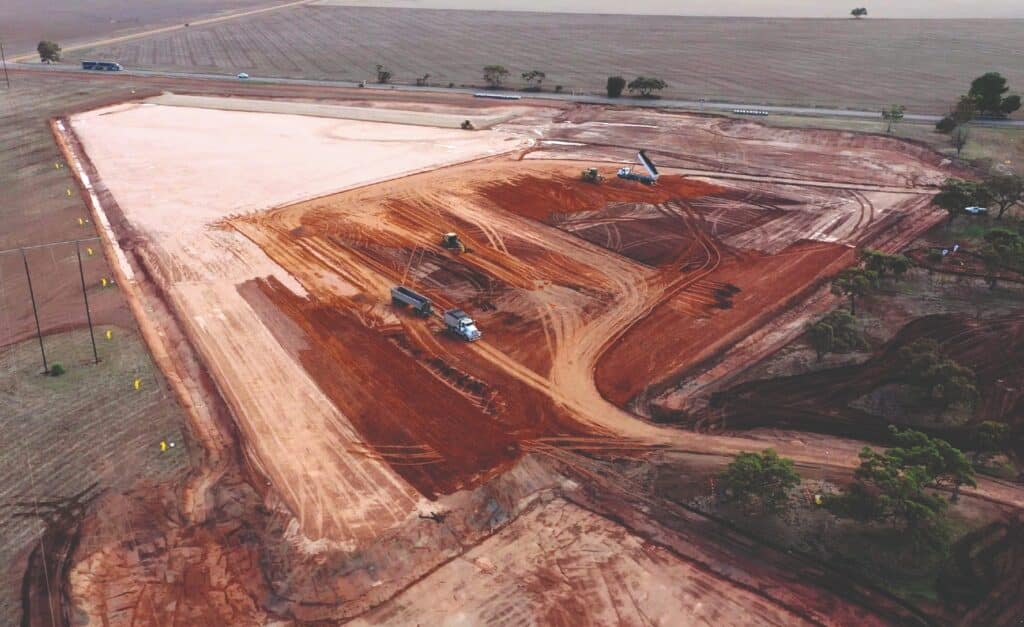
Construction commenced in April, with the project progressing beyond early civil works and into the next phase of delivery. But as activity on site ramps up, those closest to the project point to a different part of the timeline as being critical to its success so far.
At Reeves Plains, the most important work happened before construction began.
Battery storage is often described in simple terms; store energy when supply is high and release it when demand rises. But delivering that capability at scale requires the coordination of complex electrical systems, detailed civil design and multiple stakeholder requirements.
Reeves Plains brings all of that together. It is a project shaped by site constraints, grid integration requirements and strict performance expectations, all of which leave little margin for error.
These are the types of conditions where early decisions carry disproportionate weight. Misalignment at the front end can quickly translate into cost, time and delivery challenges later. That reality shaped how the project was approached from the outset.
Rather than progressing a fixed design into construction, Alinta Energy brought Genus into the project early through an ECI phase, which shifted the dynamic immediately as Genus was not simply delivering a defined scope, they were helping to shape it.
“Genus took their time in assessing the issue step by step … and worked with us in order to address what our needs and requirements were to come up with the best outcome for our project,” Maasing said.
That early engagement created the conditions for a genuinely collaborative process, where both teams worked as true partners towards a shared outcome, rather than simply progressing a predefined design.
Critically, this approach required time. Rather than compressing the early phase, Alinta allowed the ECI process to run thoroughly, ensuring key decisions were worked through before construction began. It also created space to test assumptions and ensure project design was right.
In many infrastructure projects, standardised requirements are applied as a baseline. At Reeves Plains, those assumptions were worked through early, ensuring the design was aligned to the site, the conditions and Alinta’s outcomes.
It was during the ECI phase that much of the project’s value was created. Working closely with Alinta, Genus helped progress the design to a buildable level while interrogating key aspects of the project to ensure they were both technically sound and commercially efficient. These decisions were made collaboratively, ensuring the final design reflected both delivery expertise and Alinta’s broader project objectives.
According to Genus, this process contributed to an approximate 8 per cent saving in total project cost, achieved before construction began. These savings were not driven by a single decision, but by a series of practical changes across layout, civil works and electrical design.
As Genus engineering manager and CEC-accredited designer Amish Sheth explained, a key part of this was optimising the overall site layout.
“In optimising the site layout, we had a number of constraints, but we were able to lock in a general arrangement which stood the test of time,” he said.
This work extended into civil and electrical design, where early decisions helped simplify delivery and remove unnecessary complexity.
“During the ECI phase, we optimised our bulk earthworks in civils, went through the principal project requirements and identified things that may not have been required on this project,” Sheth said.
This was not about reducing scope in a way that increased risk, it was about ensuring that every element of the project was necessary, fit for purpose and aligned to the realities of the site.
While the technical outcomes were significant, those involved point to how the teams worked together as equally important.
Rather than solely relying on documentation and formal communication channels, much of the work during the ECI phase was done face to face in workshops, rather than through documents and email chains. This created the space for more open and constructive conversations, particularly when navigating challenging elements of the design.
“We did not deliver the ECI from a contract perspective, we delivered it from a customer perspective,” Sheth said.
For Alinta, this approach created a different type of working relationship.
“We find that working with Genus is always a very collaborative approach,” Maasing says. “When we work together, we feel like we’re both part of the same family.
“This is our second project together, and we believe there will be more opportunities to work together.”
That sense of shared ownership enabled more open conversations and ultimately led to better decisions.
The impact of this early work is now being seen as the project progresses through construction. While Reeves Plains is still in delivery, the strength of the front-end process has helped create clarity around what is being built and how it will be delivered. From Alinta’s perspective, this early clarity has been critical in providing confidence as the project moves through delivery.
As Genus project manager Daniel Green explained, getting early design right significantly reduced uncertainty.
“That’s testament to the work we do during that 30 per cent design phase,” he said. “If you get that right, then the surprises aren’t there and you get a pretty good understanding of what you set out to do.”
Crucially, the ECI process brought delivery expertise into the design phase. Rather than design being handed over to construction, it was shaped by people who would ultimately build it, ensuring that what worked on paper could be delivered in practice.
This doesn’t eliminate challenges entirely, but it does mean many of the major risks have already been identified and worked through early.
Reeves Plains also reflects a broader evolution in how Genus is approaching project delivery.
On this project, Genus has taken on a more integrated role across the lifecycle, moving towards an end-to-end model that spans design, construction, commissioning and integration.
As Genus general manager – projects Damon Olufson explained, this provides a clear benefit to clients.
“It’s about being that one point of contact for them all the way through,” he said. “They only need to come to us.”
In complex infrastructure projects, that clarity reduces interface risk and simplifies delivery.
Beyond the technical detail and delivery model, Reeves Plains has also shown how the project team approaches delivery in practice, with a strong focus on accountability and a shared ownership of outcomes.
For Olufson, that starts with ownership and solutions.
“We’re not focused on just identifying problems, we provide solutions,” he said. “We never go to our clients with issues alone, we come with options to solve the problem.”
This mindset is underpinned by a strong sense of responsibility across the team, where individuals step forward, take ownership and work together to resolve challenges. It’s a culture shaped by mateship, integrity and a no-nonsense work ethic, where people care deeply about the job and about each other.
That same philosophy extends into how Genus works with clients. Rather than operating in silos, the focus is on working as one team, bringing clients into the process early, maintaining open communication and being transparent about risks from the outset.
“We just get on with it,” Green said. “We know what we’re there to achieve, and we work with our clients to get it built.”
In practice, this means working shoulder to shoulder with clients, adapting where needed but maintaining discipline in execution. In a market where delivery risk is one of the industry’s biggest challenges, this approach helps reduce uncertainty in a practical way, by staying close to the detail, remaining accountable and responding quickly if issues arise.
Reeves Plains is not yet complete. Construction is ongoing, and there is still significant work ahead before the project reaches full commissioning. But even at this stage, there is a clear takeaway.
The decisions made early, through a rigorous and collaborative ECI process, have set a strong foundation for delivery – a foundation that is now being tested in practice, with a bigger picture emerging as the project reaches completion.
As Australia’s energy transition accelerates, infrastructure projects will only become more complex. For developers like Alinta Energy, that means placing greater emphasis on how projects are set up from the outset, with early engagement and collaboration playing a critical role in reducing risk.
At Reeves Plains, Alinta’s decision to bring Genus into the project early has enabled a more integrated approach to design and delivery. Working closely together through the ECI phase, both teams have been able to align on the right solution for the project and reduce risk before construction began.
As the project progresses, this partnership model provides a strong foundation for delivery and a clear example of how collaboration between client and contractor can shape better outcomes across the sector.
This feature appeared in the June edition of Energy.