As Western Australia accelerated its transition away from coal-fired generation, large-scale energy storage became critical to maintaining reliability and enabling greater renewable energy integration.
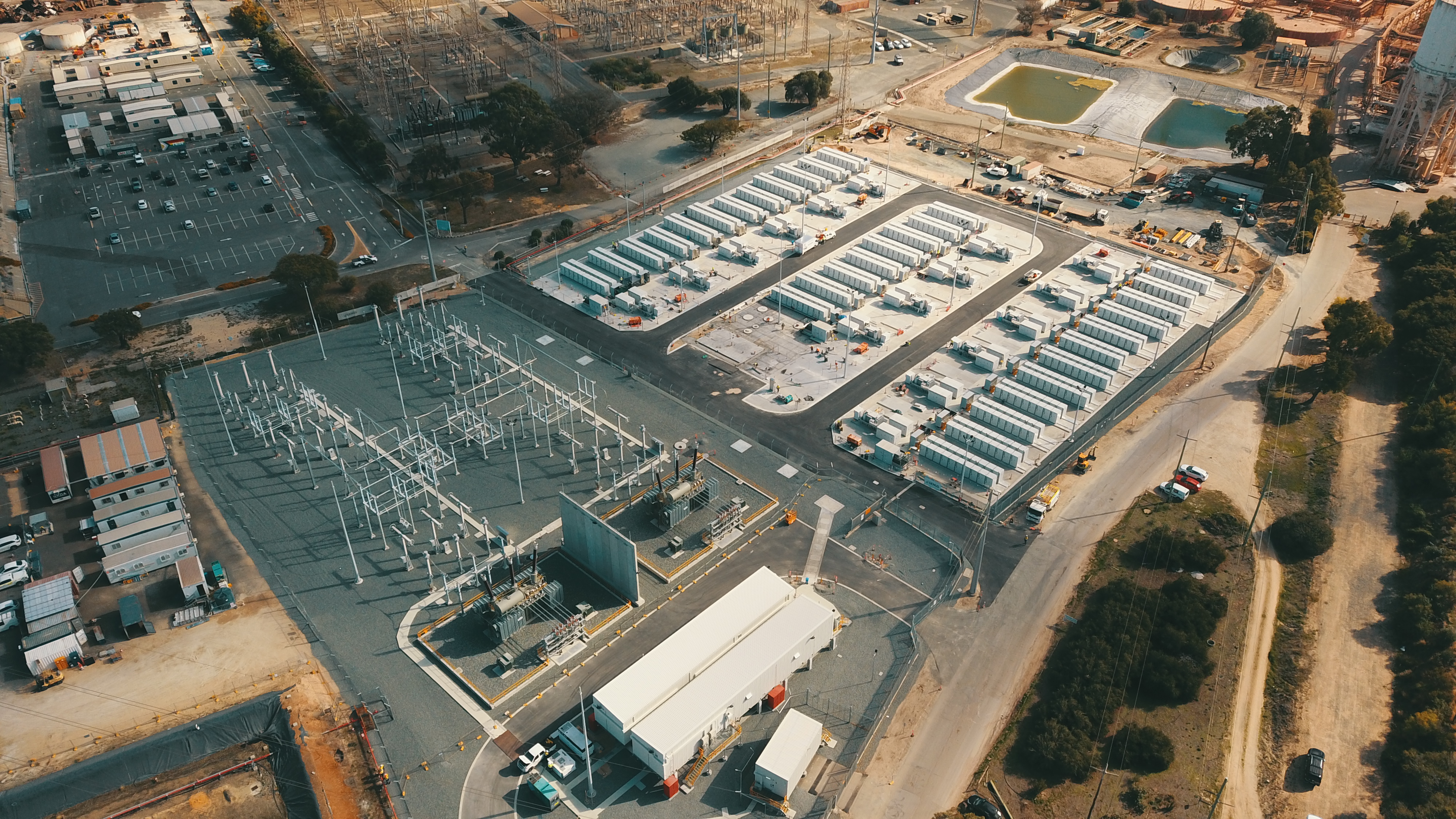
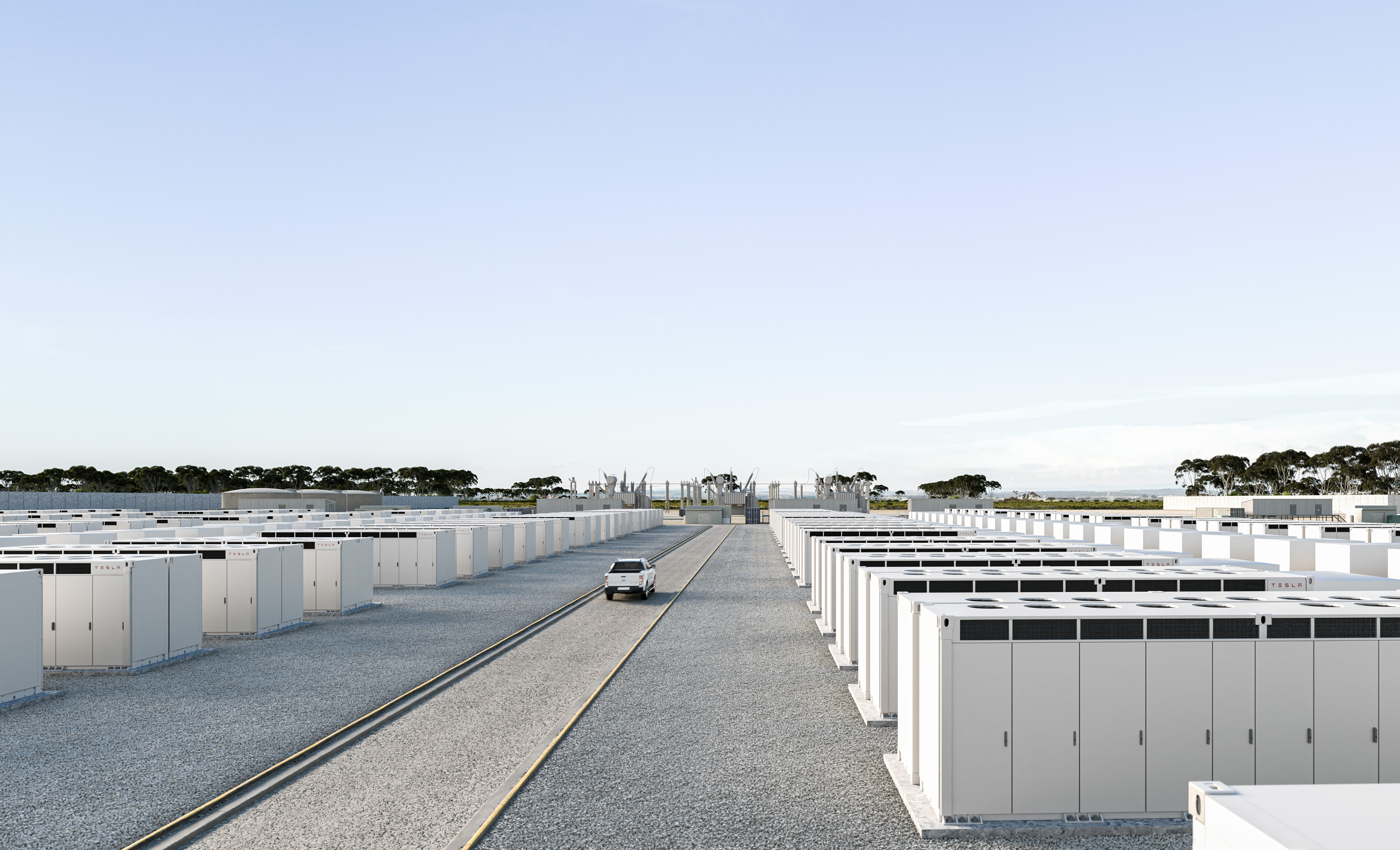
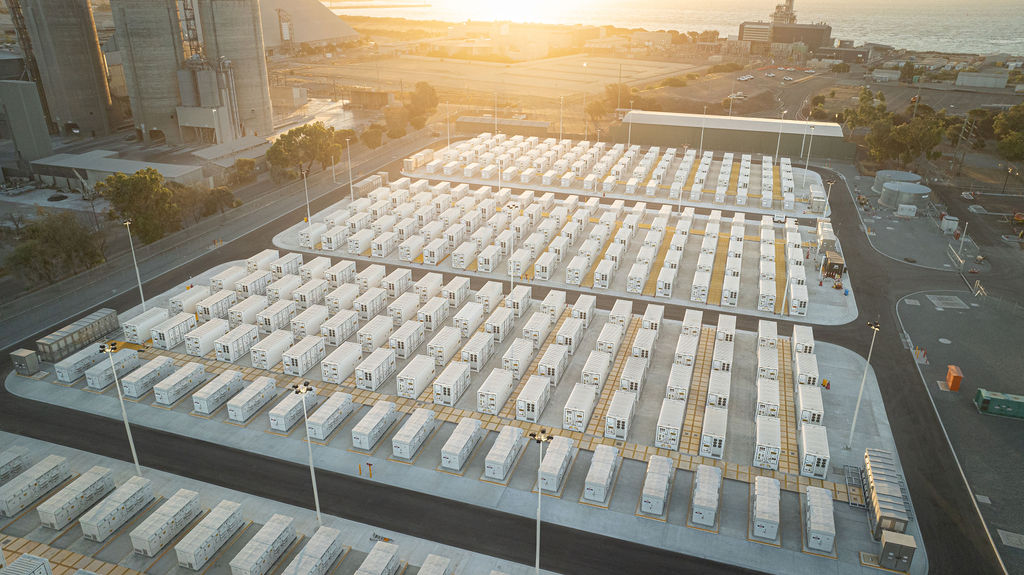
Following the successful delivery of Stage 1, Synergy embarked on Kwinana Battery Energy Storage System Stage 2, one of the largest battery projects ever undertaken in Australia.
While significantly larger than Stage 1, the project faced the same pressures confronting renewable infrastructure across the country: tight schedules, complex interfaces, supply chain challenges and the need to deliver safely and reliably without compromising quality.
Synergy required a delivery partner capable of scaling up while maintaining certainty.
Having successfully delivered Stage 1, Genus brought valuable experience and lessons learned to the next phase of the project.
Rather than starting from scratch, the team was able to build on established processes, relationships and delivery methodologies, enabling faster mobilisation and more efficient execution.
Working collaboratively with Synergy, Genus focused on maintaining flexibility, simplifying interfaces and ensuring decisions could be made quickly as the project progressed.
The integrated delivery model and hands-on approach allowed the team to adapt to changing conditions while maintaining momentum throughout construction.
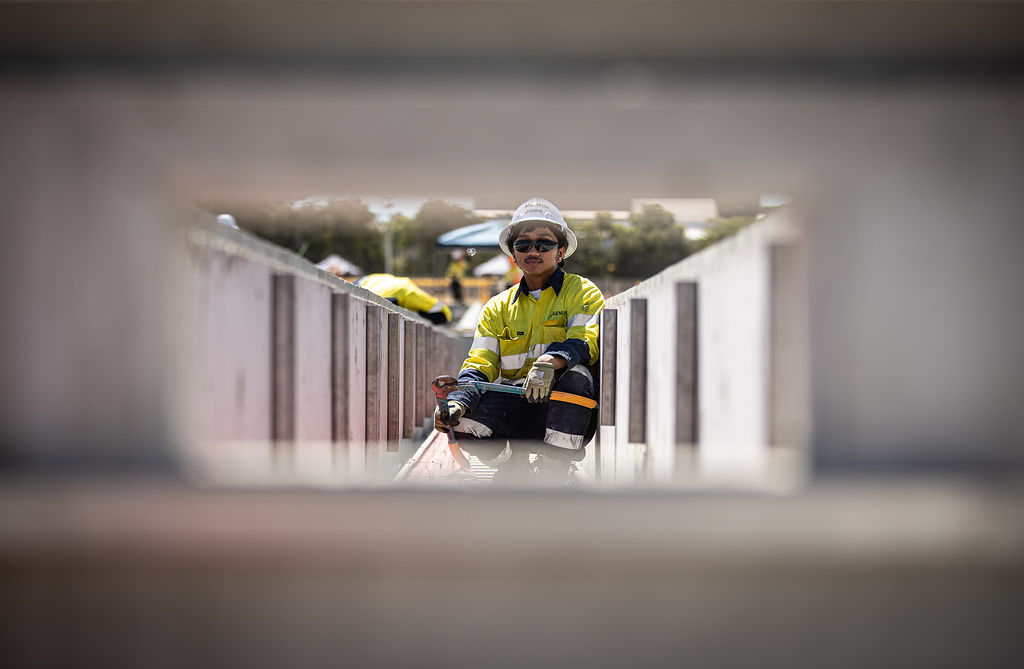
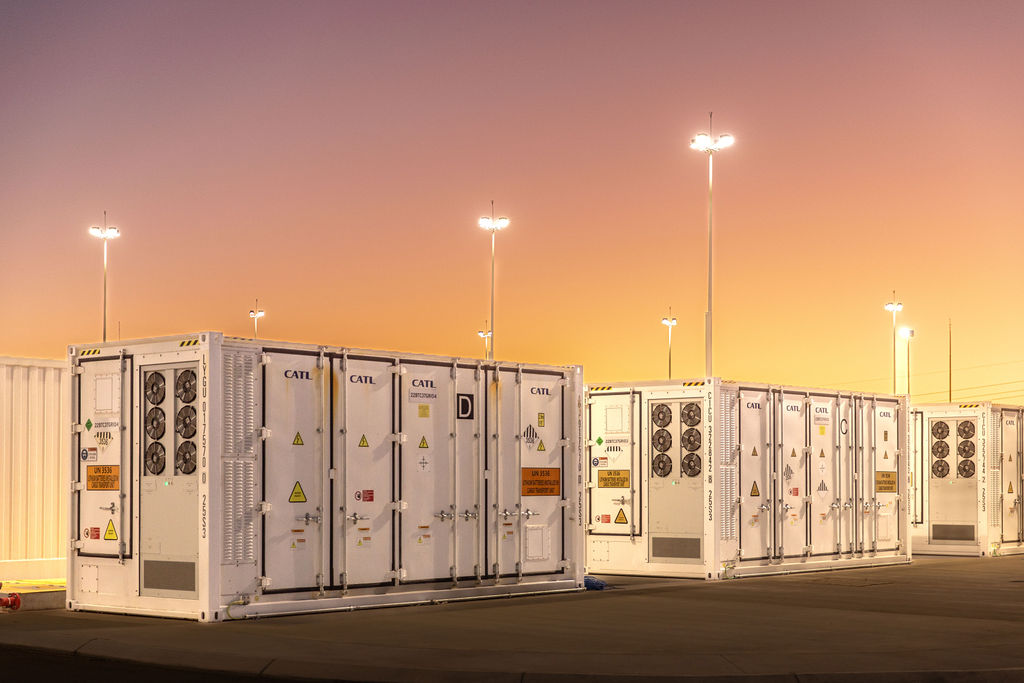
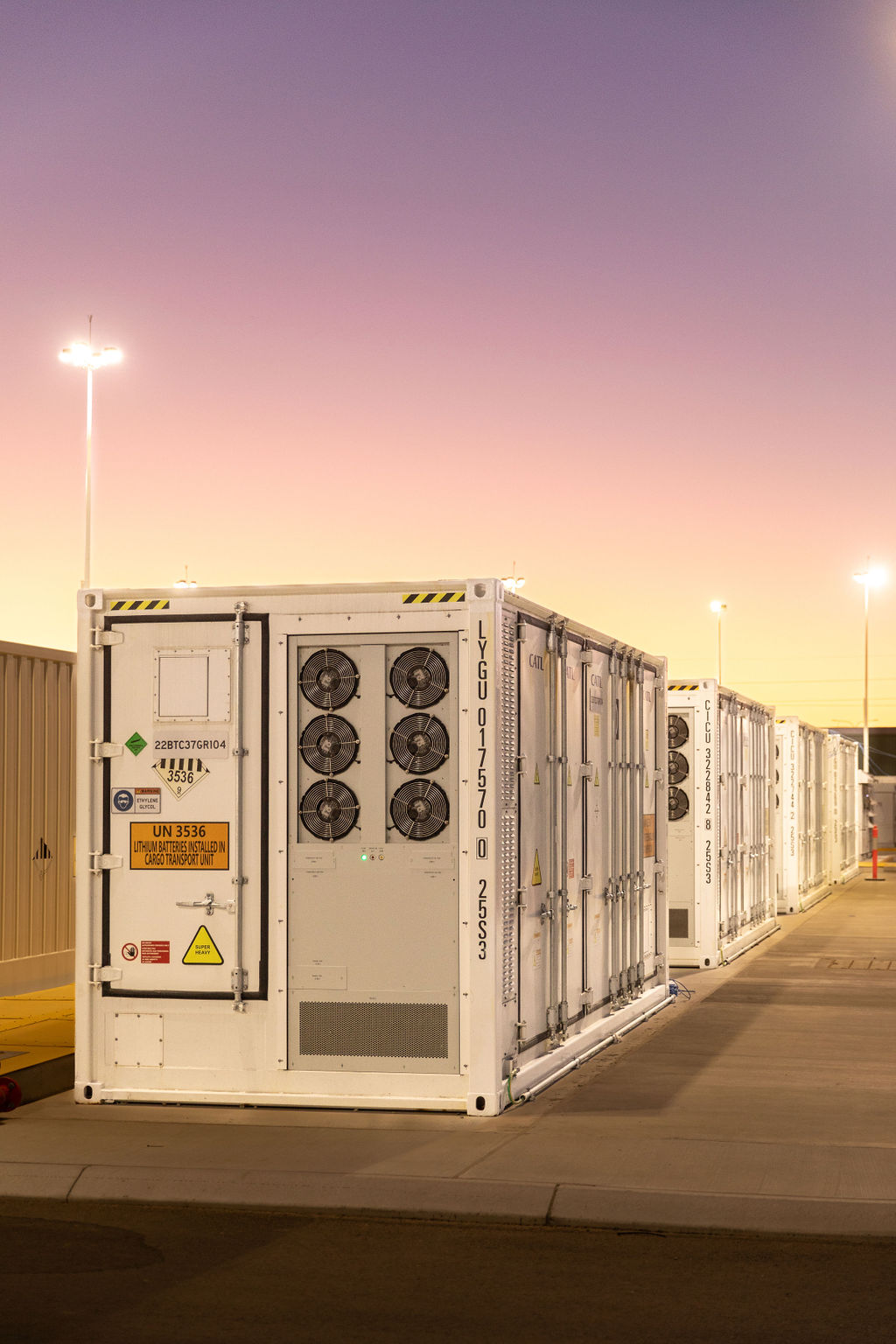
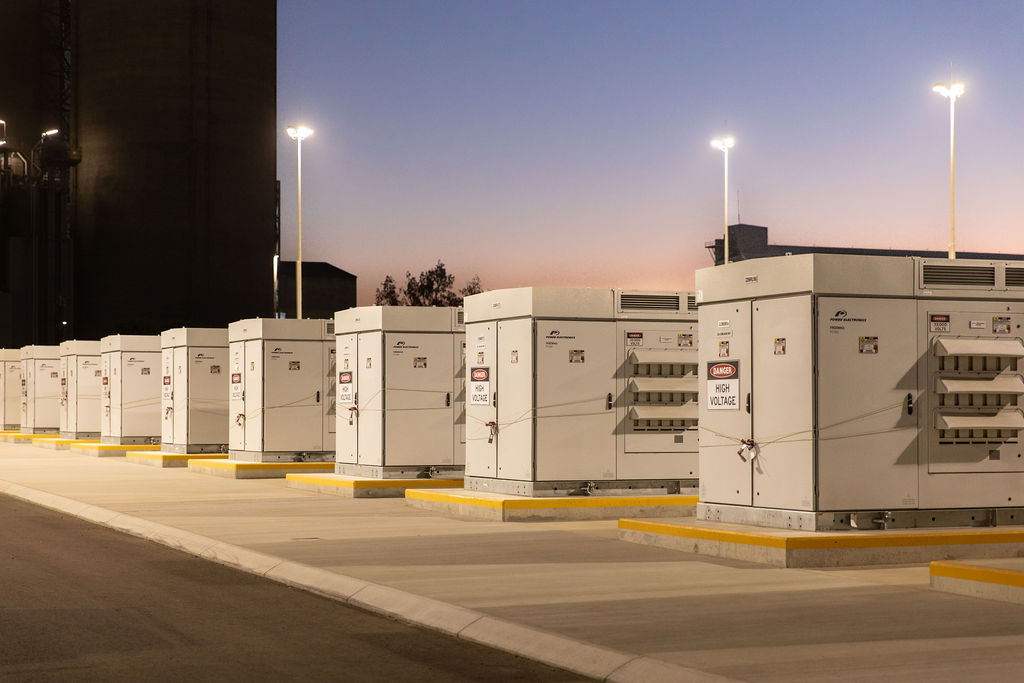
Genus was responsible for the engineering, procurement and construction of balance-of-plant infrastructure, supporting the installation and integration of battery systems and associated electrical infrastructure.
The scope included:
Drawing on experience gained from Stage 1; the team was able to streamline delivery and apply proven construction methodologies across the larger development.
Despite being more than four times the size of the original project, Stage 2 was delivered faster, demonstrating the value of experience, collaboration and practical problem-solving.
Kwinana BESS Stage 2 represents a major milestone in Western Australia's energy transition and will play an important role in supporting grid stability and enabling increased renewable energy generation across the State.
For Genus, the project demonstrated the benefits of repeatability and long-term partnerships. By applying lessons learned from Stage 1, the team delivered a significantly larger project with greater efficiency and certainty.
The successful delivery further strengthened Genus' position as one of Australia's leading battery infrastructure contractors and highlighted the role experience plays in de-risking complex energy projects.